#13 World Chess Champion
Garry Kasparov – 13th World Chess Champion
Widely regarded as the greatest chess player of all time, Kasparov dominated the chess world for two decades and set unprecedented standards for preparation, aggression, and competitive intensity.
- Country: Russia
- Title reign: 1985–2000
- Style: Dynamic attack, deep calculation, psychological pressure
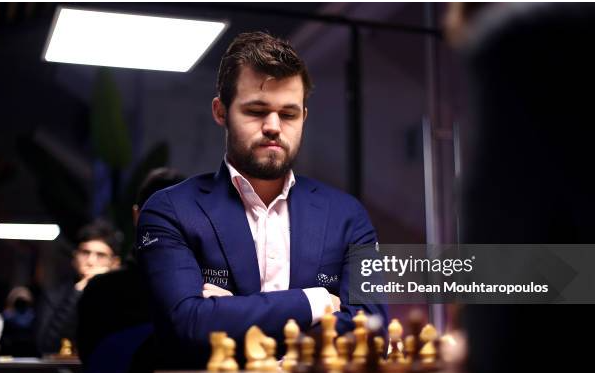
Overview
Garry Kasparov became the youngest undisputed World Chess Champion in history in 1985, defeating Anatoly Karpov at the age of 22. His reign marked a turning point in chess, introducing a new era of dynamic, computer-assisted preparation.
For nearly 20 years, Kasparov was the dominant force in world chess, holding the world number one ranking from 1984 until his retirement in 2005, with only brief interruptions.
World Championship highlights
- Defeated Anatoly Karpov in 1985 to become the youngest World Champion in history.
- Successfully defended his title against Karpov four times between 1986 and 1990 in one of the greatest rivalries in sports history.
- Held the World Championship title for 15 years, one of the longest reigns ever.
- Lost the title to Vladimir Kramnik in 2000, ending an era of near-total dominance.
Playing style & legacy
Kasparov’s style was defined by explosive attacking play, deep opening preparation, and relentless pressure. He excelled in sharp Sicilians, King’s Indians, and dynamic positions where initiative was paramount.
Beyond the board, Kasparov’s legacy extends into chess culture, technology, and politics. His matches against IBM’s Deep Blue symbolized the dawn of the computer age, while his influence on modern preparation remains unmatched.
Garry Kasparov on ChessTV
On ChessTV.com you can explore Kasparov’s extraordinary career through:
- Complete game archive from World Championship matches and elite tournaments.
- Historic rivalries, including the legendary battles against Anatoly Karpov.
- Coverage of his influence on modern chess, opening theory, and the rise of computer-assisted preparation.